What Makes a Site «Official» — and How to Check It
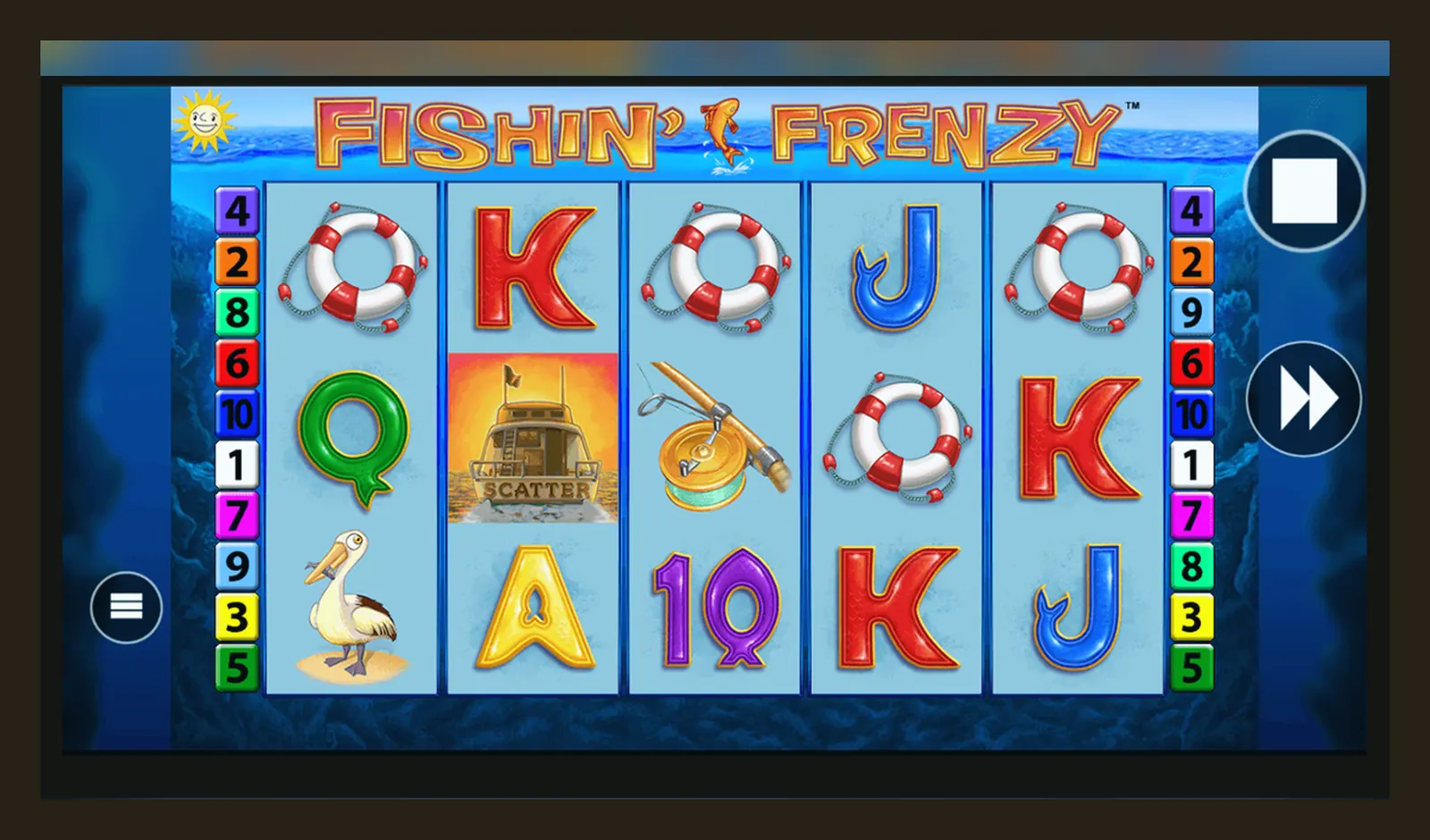
You open Fishin' Frenzy on a new site, drop £20 through PayPal, hit spin — and the reels freeze at £4.80. A pop-up cuts in: «Stake limit reached. Players aged 18–24 are capped at £2 per spin under UKGC rules.» You close the tab, Google the operator, and the name doesn't appear in the Commission's register. That freeze wasn't a bug; it was the site's compliance script catching an illegal stake before the platform could process it.
«Official» in the UK doesn't mean one canonical domain blessed by Blueprint Gaming. It means the operator serving you holds a current remote gambling licence from the UKGC, passes monthly compliance audits, and wires 40% of gross revenue to HMRC as Remote Gaming Duty. The game build is official when it comes from Blueprint's certified library, carries the provider's RNG seal, and matches the paytable filed with the regulator. Everything else — the domain, the bonus structure, the KYC workflow — is the operator's choice, as long as it stays inside the Gambling Act. This page walks you through the one-minute licence check, the login mechanics that matter, the app question, and the red flags that separate a licensed site from a clone.
The UKGC Register Check: Sixty Seconds, Four Steps
The UK Gambling Commission publishes every valid remote licence in a searchable register. If the operator isn't there, marketing gambling services to British players is illegal, and your deposit sits outside consumer protection. The check takes a minute:
- Scroll to the footer of the casino site. Look for a licence number — it's a five- or six-digit code, sometimes prefixed «Licence No.» or just the number alone. UKGC rules require it to be visible on every page.
- Open the Commission's public register at ukgc-register (search «UKGC public register» to find the live URL). The register is free, no login required.
- Paste the licence number into the search field and run the query. The result should show the operator's legal name, licence status («Active»), and the issue date. Match the legal name against the footer — they must align.
- Check the licence type: it should say «Remote» under the category column. A non-remote licence (betting shop, bingo hall) can't host online slots.
If the number doesn't appear, or the status reads «Suspended» or «Revoked», leave the site. If there's no number in the footer at all, that's an immediate red flag — legitimate operators wear their licence like a badge because it costs them tens of thousands in annual fees and audit prep.
Login, KYC, and the Affordability Trip Wire
Creating an account on a UKGC site triggers a compliance cascade before you can deposit. Age verification comes first: the operator runs your name, address, and date of birth against credit-reference databases (Experian, Equifax, TransUnion) to confirm you're 18 or over. If the automated check fails — common with recent movers or thin credit files — you'll be asked to upload a document: passport, driving licence, or a recent utility bill. This is the «soft KYC» stage, and most operators process it within an hour.
You log in, deposit £50 via Faster Payments, and the money lands instantly. But the moment your net deposits cross £150 in a rolling month, the site's affordability algorithm wakes up. Stage one pulls credit-reference data again — this time looking at income proxies, outstanding debt, and payment patterns. If the data suggests the deposits are out of step with your financial profile, the operator emails you for proof of funds: a payslip, bank statement, or tax return. You have 28 days to respond; if you don't, deposits freeze.
This isn't the operator being difficult — it's the UKGC's 2023 affordability framework, tightened after the Commission fined multiple licensees for failing to prevent gambling harm. The £150 threshold is the first checkpoint; higher deposits trigger deeper checks. For Fishin' Frenzy, where base-game variance means long stretches without a bonus, a single session can push you over the limit if you're chasing the free spins feature at £5 a spin.
Credit cards have been banned for gambling since April 2020, and the payment method must be in your own name — no third-party cards, no business accounts. Withdrawals to e-wallets clear in a few hours once you're verified; Faster Payments to your bank take same-day to two working days. The first withdrawal is always the slowest because the compliance team manually reviews your documents and cross-checks the payment method.
The Official App: Why Most UK Sites Skip It
Blueprint Gaming doesn't publish a standalone Fishin' Frenzy app. The game runs in-browser through HTML5, and most UKGC operators serve it that way — you log in on Safari or Chrome, tap the game tile, and the canvas loads without an install. A handful of larger casinos do offer native apps on the App Store and Google Play, but the app is a shell: it's the operator's lobby, account management, and cashier wrapped in a branded interface. The game itself still streams from Blueprint's server.
If you search «Fishin' Frenzy APK» and find a direct-download link outside the Play Store, walk away. Sideloaded APKs are a common vector for clones — unlicensed builds that mimic the interface but run a different RNG or fake the paytable. Google and Apple both allow real-money gambling apps in the UK, but only from licensed operators, and every legitimate app links back to a UKGC-registered entity. Check the developer name in the store listing, then cross-check it in the Commission's register.
The mobile web experience is smoother than it was three years ago: Faster Payments and Apple Pay integrate directly into the browser, and fingerprint login saves you from typing passwords on a cracked screen. If the site's mobile version loads slowly or the game feels laggy, that's a design problem, not a signal that you need an app. Blueprint's canvas scales to any viewport, so the reels, paytable, and feature triggers work identically on a 6-inch phone and a 27-inch monitor.
When Something Goes Wrong: Complaint Path and Circuit Breakers
A reel doesn't spin after you've hit the button, the balance drops by £10 but the game history shows no record, or a free-spins win doesn't credit. First step: screenshot everything — the game screen, your balance before and after, and the transaction log in your account dashboard. Then contact the operator's support team through live chat or email. UKGC licence conditions require a response within 24 hours for technical faults.
If the operator doesn't resolve it, or you believe they've breached licence conditions (refused a legitimate withdrawal, ignored a self-exclusion request, let you deposit beyond a limit you set), escalate to an Alternative Dispute Resolution service. Every UKGC site must name an approved ADR in the footer — IBAS and eCOGRA are the most common. The ADR is free for players, binding for operators, and typically closes cases within eight weeks. If the operator ignores the ADR ruling, the Commission can fine them or suspend the licence.
For harm-related concerns — you're losing more than you can afford, gambling is affecting your work or relationships, or you're chasing losses — the circuit breakers are immediate. Set a deposit limit in your account settings; the operator must apply it within 24 hours, and lowering it is instant. Raising a limit triggers a 24-hour cooling-off period. If limits aren't enough, register with GAMSTOP (gamstop.co.uk): one sign-up blocks every UKGC-licensed site for six months, one year, or five years. There's no override, and the block can't be lifted early. BeGambleAware (0808 8020 133) offers confidential support if you need to talk through next steps.
Red Flags, Clones, and What «Official» Doesn't Promise
A clone site lifts Blueprint's artwork, copies the reel layout, and changes the RNG under the hood. The giveaways: no UKGC licence number in the footer, payment methods that don't match UK norms (Bitcoin, Western Union, gift cards), and customer support that doesn't reference UK law or the Gambling Commission. Another tell is the stake increments — clones often skip the £2 and £5 caps because they don't integrate the regulator's age-gating API.
Even on a licensed site, official status doesn't guarantee you'll win, or that the bonus terms are generous. A UKGC licence confirms the game's RNG is certified, the operator's finances are audited, and your deposits sit in a segregated account if the company folds. It doesn't stop a 40× wagering requirement on a welcome bonus, or a max-win cap that truncates a £20,000 free-spins streak at £5,000. Those are commercial decisions, disclosed in the terms, and perfectly legal as long as they're clear before you accept the offer.
| Red flag | What it means | Action | |
|---|---|---|---|
| No licence number in footer | Operator is unlicensed in the UK | Leave the site immediately | → |
| Stake exceeds £5 (or £2 if you're 18–24) | Compliance failure or clone build | Report to UKGC, withdraw funds | → |
| Bitcoin or prepaid card as only deposit option | Likely offshore, outside UK protections | Verify register status first | → |
| Support doesn't mention UKGC or ADR service | Unlicensed or grey-market operator | Cross-check register before depositing | → |
One last distinction: «official» applies to the game build and the operator's licence, not to any specific domain. Blueprint licenses Fishin' Frenzy to dozens of UK casinos, and each runs its own promotions, banking rails, and bonus structures. Terms change weekly — a 100-free-spins offer you saw last month might be gone today, or the wagering might have shifted from 35× to 40×. Always read the current terms on the site you're using, even if you've played the game elsewhere. The paytable and RTP stay constant across licensed builds; everything around it is the operator's variable.
FAQ
Can I play Fishin' Frenzy without creating an account?
Some UKGC sites offer demo play to logged-in, age-verified accounts, but free play without registration is rare now — the regulator pushed operators to gate demos behind age checks in 2021. A few sites still serve no-login demos, but you'll need to register and verify your age before depositing. Real-money play always requires a full account and KYC clearance.
Why does my stake freeze at £2 when other players can bet £5?
If you're aged 18 to 24, UKGC rules cap your stake at £2.00 per spin on any online slot. The limit lifts automatically when you turn 25, assuming your account's date of birth is correct. The operator checks your age during KYC, and the platform enforces the cap at bet-selection. It's not a bug or an account restriction — it's a regulatory control that applies across every licensed site.
What happens if the operator loses its UKGC licence while I have funds in my account?
Player funds sit in segregated client accounts, separate from the operator's business capital. If the licence is suspended or revoked, the Commission typically appoints an administrator to return balances to players. Withdrawals might be frozen during the process, but you won't lose your deposit. This is why the register check matters — if the operator never had a licence, your money has no regulatory safety net.
Are my winnings from Fishin' Frenzy taxable in the UK?
No. Gambling winnings are tax-free for players — you keep every penny of a £10,000 free-spins haul. The operator pays a 40% Remote Gaming Duty on gross gaming revenue (raised from 21% in April 2026), but that's their obligation, not yours. You don't need to declare casino winnings on a self-assessment, and HMRC doesn't ask for proof of funds unless the money's origin is unclear for other reasons.
Can I use a VPN to play Fishin' Frenzy if I'm travelling outside the UK?
UKGC licence conditions allow play only from UK territory (England, Scotland, Wales, Northern Ireland, plus sometimes Gibraltar depending on the operator's licence scope). If you're abroad and connect through a VPN to make it look like you're in London, you're breaching the site's terms — and if the operator detects it (IP mismatch, GPS ping, payment-method location), they can void bets and freeze withdrawals. Wait until you're back in the UK, or check whether the operator holds a licence in the country you're visiting.